


Thorough and fast aren't opposites
New inspectors think speed comes at the cost of thoroughness. It's the other way around. The inspectors who finish on time without missing anything aren't rushing — they're following the same route through every house, so nothing depends on memory.
When your workflow is consistent, you stop asking "did I check the water heater?" because you always check it at the same point. That's what frees you up to slow down where it counts.
Walk the house in a fixed order
The exact sequence matters less than having one and sticking to it. A route that works for a lot of inspectors:
Start outside
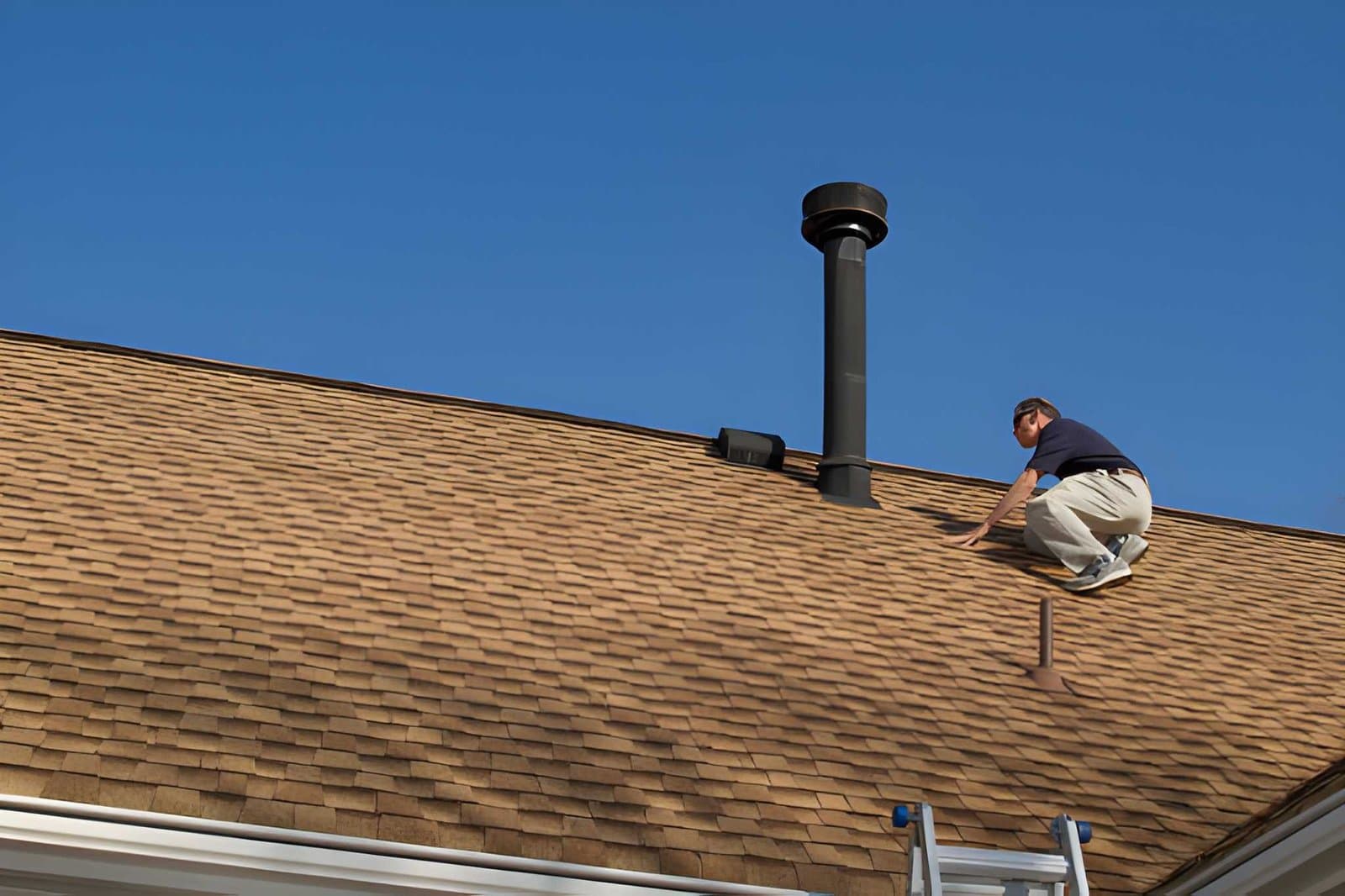
Begin with the roof, then work down: chimney, flashing, gutters, fascia, siding, windows, and grading. Walk the full perimeter. Note drainage that slopes toward the house — it's the root cause of half the moisture problems you'll find inside.
Then the systems rooms
Move to the mechanical heart of the house: electrical panel, water heater, furnace or air handler, and any visible plumbing. These are where the expensive defects hide, so this is where you spend your attention.
Interior, room by room
Go room to room the same way every time — say, clockwise from the door. Outlets, windows, walls, ceilings, floors. A fixed direction means you never skip a wall because you got distracted.
Finish low and tight
End with the crawlspace or basement and the attic — the dirty, cramped spaces it's tempting to shortchange when you're tired. Doing them last, as a deliberate stop, keeps them from getting rushed.
Photograph as you go, not after
Don't tell yourself you'll remember which crack was in which bedroom. Photograph each finding the moment you see it, with a wide shot for context and a close-up of the problem. By the time you're done, your photo set is already organized by where you were.
This is also the single biggest thing standing between you and a 9pm report session. If your photos and notes are captured in order on site, the write-up is mostly assembly, not reconstruction.
Record findings in the field, not from memory
The old way — scribble notes, then rebuild the whole report at home hours later — is where details get lost and where your evening disappears. Recording findings as you stand in front of them is more accurate and far faster.
Tap the finding, snap the photo, add a quick note, move on. With Hive, that on-site record becomes the draft report in real time, so you leave each job with most of the writing already done. The workflow and the deliverable are the same act instead of two separate jobs.
Keep a closing routine
Before you leave, run a short mental checklist of the major systems — roof, structure, electrical, plumbing, HVAC, water intrusion. If you can't picture inspecting each one, you missed a stop. Thirty seconds of checking here saves you a callback and protects you from a liability claim.
The takeaway
A great on-site workflow is boring on purpose. Same route, same order, photos and findings recorded as you move, a closing check before you pull away. The consistency is what makes you both thorough and fast — and what lets you walk out the door with the report nearly finished instead of waiting for you at home.